
0%
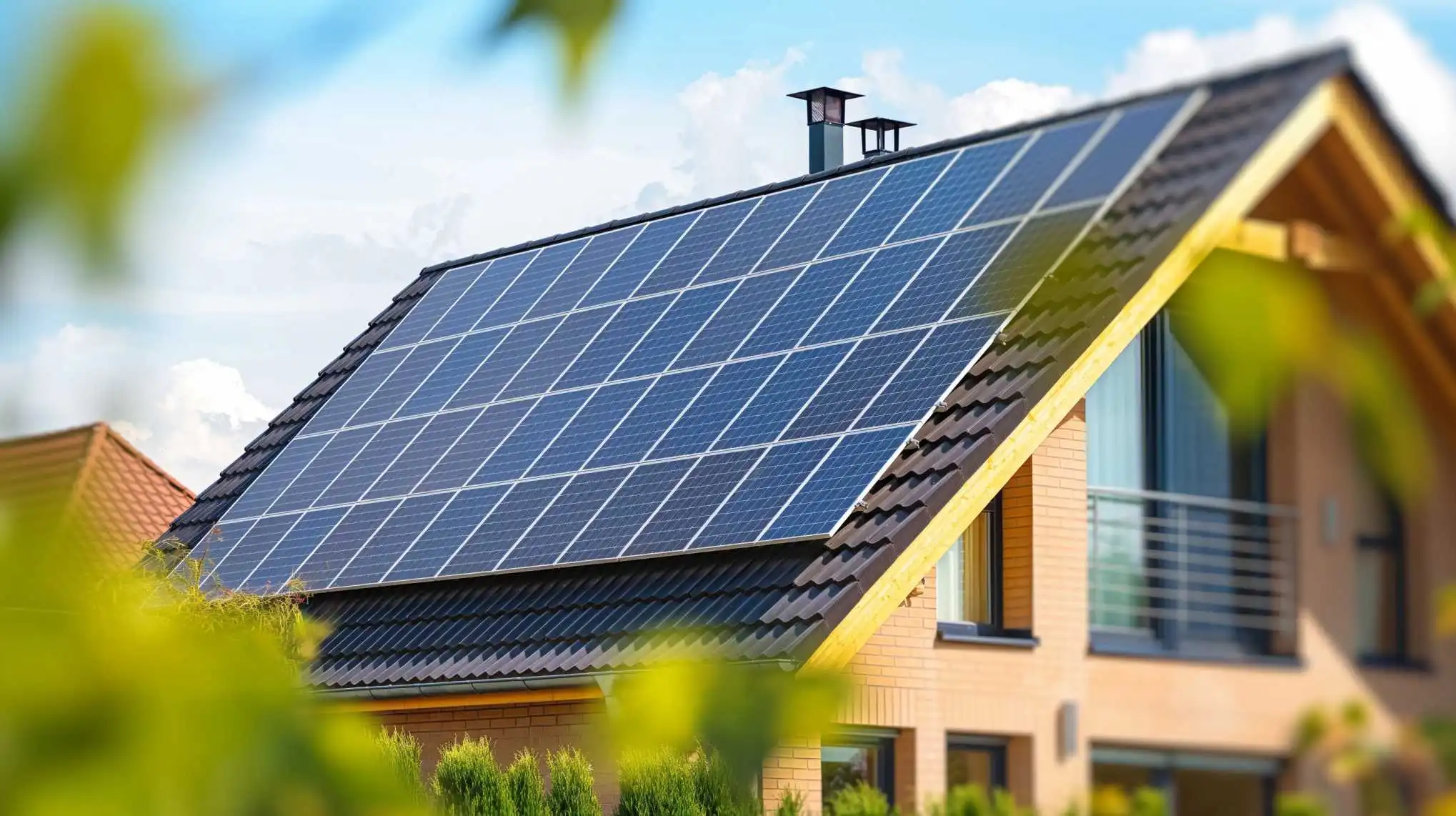
Self-contained lights with no cabling and no bill. See what to specify and what to avoid.
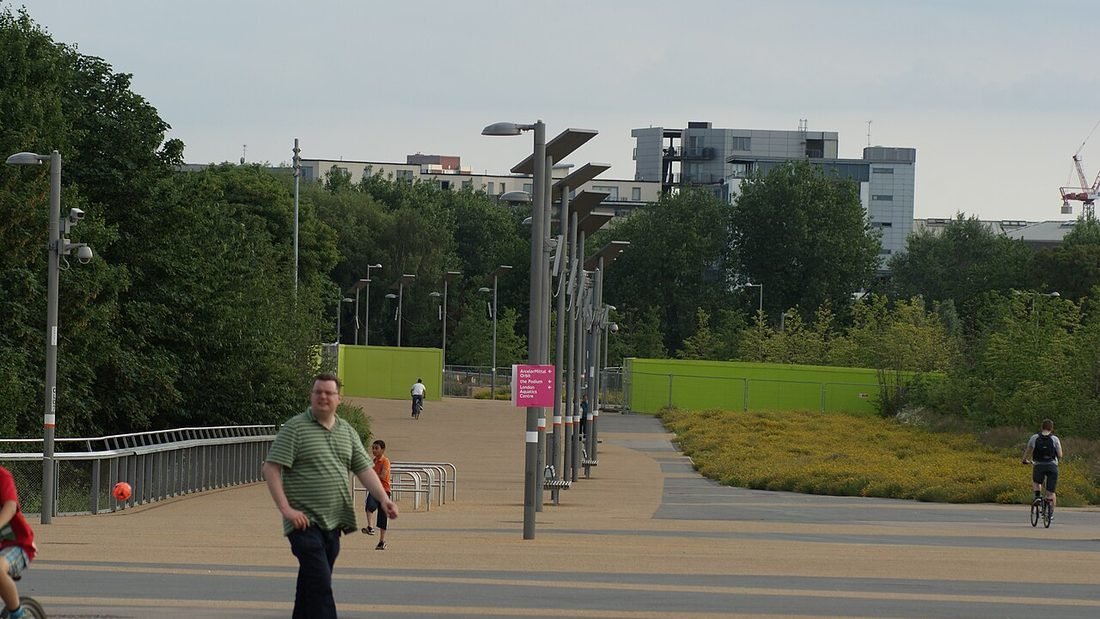
Image: View of a row of solar-powered lamp posts in the Queen Elizabeth Ol... by Robert Lamb, CC BY-SA 2.0, via Wikimedia Commons.
A solar street light is a self-contained pole: panel, battery, LED luminaire and controller in one package. It charges by day, lights at dusk and needs no cable, trench or electricity bill. For colonies, campuses, farms and villages, solar street light in Raipur projects are popular. This page explains what to specify, how to size the parts and how to avoid lights that fade by midnight.
Quick answer: specify lumens, battery in watt-hours, panel wattage, two to three nights of autonomy, an IP65 or better rating and a written warranty with local service.
| Spec | Meaning | Typical for colonies |
|---|---|---|
| LED wattage | Electrical power | 15 - 40 W |
| Lumens | Light output | 2,500 - 6,000 lm |
| Panel wattage | Daily charging input | Sized to recharge the battery |
| Battery (Wh) | Stored energy | Nightly use plus autonomy |
| Autonomy | Nights without sun | 2 - 3 |
| IP rating | Dust and water protection | IP65 or higher |
| Pole height | Mounting height | 4 - 6 m |
| Design | Pros | Cons |
|---|---|---|
| All-in-one | Compact, quick to install | Replacement can be harder |
| Semi-integrated | Better serviceability | More parts |
| Split with separate battery box | Large capacity, serviceable | More wiring and theft risk |
A 30 W light running ten hours needs about 300 Wh a night; with dimming it may use 220 to 250 Wh. For three nights of autonomy, you need around 750 Wh, and the panel must recharge it in Raipur's sunshine, typically 80 to 100 W for such a light. Detailed calculations are in solar street light specifications for colonies.
Spacing of three to five times pole height is a starting point. Avoid placing poles under tree canopies. A layout with expected illumination levels should come from the supplier.
Compare total cost per pole over five to seven years, including battery replacement and cleaning. See solar street light supplier in Raipur for costs and installation.
Housing colonies, schools, factories, farms, panchayats and municipal bodies. For public projects, see solar for government and panchayat buildings.
A colony with a 600 metre internal road plans a light every 20 metres on alternate sides, about 30 poles. The supplier proposes 30 W, 4,500 lumen luminaires with 90 W panels and about 770 Wh lithium batteries, giving more than three nights of autonomy. The society compares this with a cheaper offer that lists only wattage and chooses the transparent one, with a five-year battery warranty and a local service contact.
| Factor | Effect on cost |
|---|---|
| Luminaire wattage and lumens | Higher output costs more |
| Battery capacity and chemistry | Lithium and larger Wh cost more |
| Panel wattage | Bigger panels for longer autonomy |
| Pole height and foundation | Taller poles and concrete add cost |
| Design type | Split designs cost more than all-in-one |
| Warranty and service | Better terms cost more but reduce risk |
Batteries and panels can be targets. Choose designs with locked battery compartments, anti-theft fasteners and sensible pole heights. Involve residents or staff in watching the lights, and record serial numbers for insurance.
A solar street light in Raipur is only as good as its weakest part: the battery, the luminaire or the controller. Compare the numbers below on any quotation, and ask for test reports rather than relying on a wattage label alone.
| Specification | What to ask | Why it matters |
|---|---|---|
| Luminaire wattage and lumens | Actual lumens, not only watts | Real brightness on the road |
| Battery type and capacity (Wh) | Chemistry, cycle life, warranty | Decides how long it lasts at night and over the years |
| Panel wattage | Matched to battery and nights of autonomy | Charging in monsoon and winter |
| Pole height and foundation | Height, thickness, foundation size | Spread of light and stability in storms |
| Controller and sensor | Dusk-to-dawn, dimming options | Saves battery and gives steady light |
| Warranty and service | Years on each part, response time | Maintenance cost over time |
Typically 25 to 35 metres, depending on the design and the light distribution; your supplier should confirm for your road.
No grid cable is needed and nothing is added to your electricity bill.
Weak batteries, theft and neglect; choose tested parts, anti-theft fasteners and a maintenance plan. See solar street lights for gram panchayats.
Next steps: understand solar Raipur conditions, learn how solar installation in Raipur is done properly and see which incentives apply under solar subsidy in Raipur and PM Surya Ghar Yojna in Raipur. Then speak to a solar company in Raipur, compare it with the best solar company in Raipur criteria and the top 10 solar companies in Raipur checklist, and confirm the basics of solar in Raipur on your own bills. You can also browse the solar blog, our solar services, the Gupta Agro Solar home page or contact us for a free survey.
Costs vary with wattage, battery and design; all-in-one lights for residential lanes can start from around Rs 14,000 per pole, with larger and semi-integrated models costing more. Get written quotations.
Residential lanes commonly use 3,000 to 6,000 lumens depending on pole height and spacing.
The number of nights a light works without sun, usually two to three in good designs.
Commonly three to five times pole height, tuned by a lighting layout.
Lithium batteries commonly last five to seven years; check the warranty.
Visit C-29, Sector 3, Devendra Nagar, Raipur, Chhattisgarh 492001, call 083051 31420 or send your details online for a free site survey and a written quotation with the subsidy worked out.
Lighting layout, specification and quotation for colonies, campuses and panchayats.