
0%
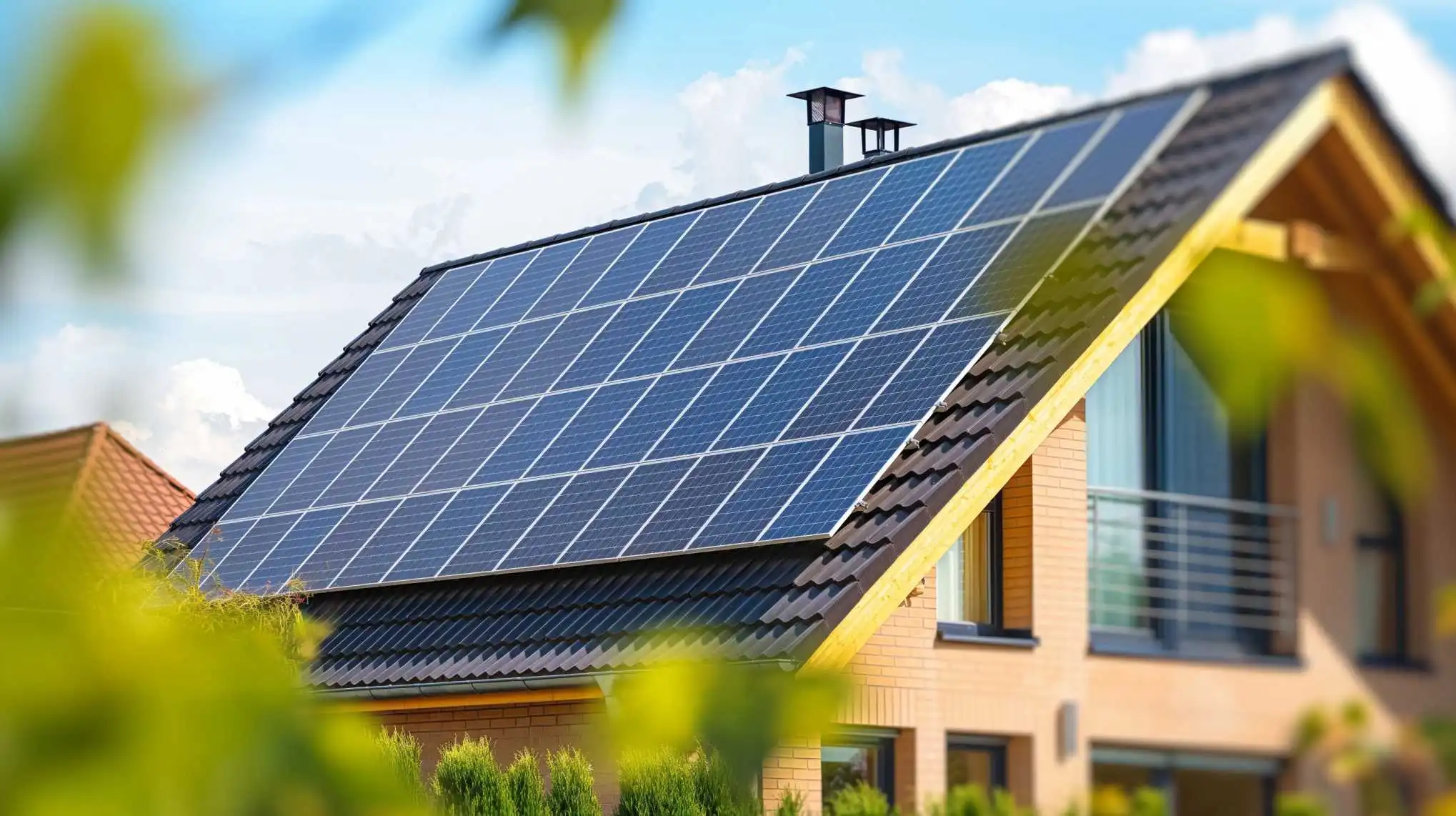
New to solar? Start here. How panels work, the words you will hear and the steps to your first system.
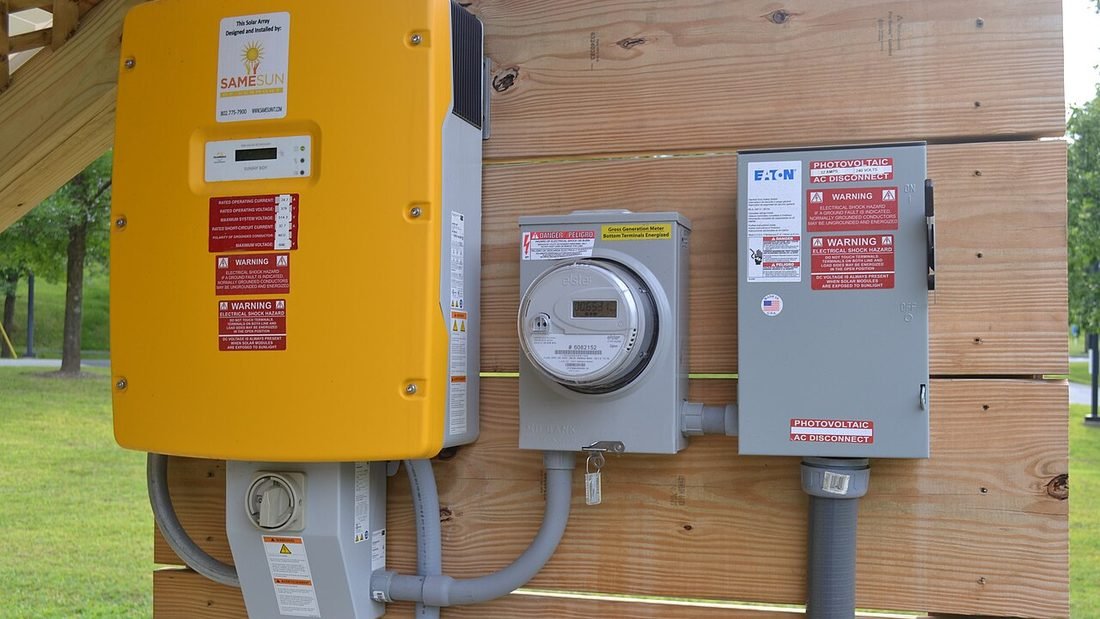
Image: Vermont Law School Solar Panel Array-4 by SayCheeeeeese, CC0, via Wikimedia Commons.
Many people in the capital are curious about solar but put off asking because the vocabulary seems technical. This beginner's guide to solar energy in Raipur explains how solar works in plain words, introduces the terms you will meet and shows the simple path from curiosity to a working system.
Quick answer: panels turn sunlight into electricity, an inverter makes it usable, a meter records what you use and send back, and the bill falls as a result.
A solar panel contains many silicon cells. When sunlight hits a cell, it knocks electrons loose and produces direct current. Panels are wired together so that their combined voltage and current suit the inverter. The inverter converts direct current to the alternating current that your appliances use and synchronises it with the grid. Any surplus flows to the grid through the net meter.
| Part | What it does |
|---|---|
| Solar panels | Convert sunlight into DC electricity |
| Mounting structure | Holds panels at the right angle and resists wind |
| Inverter | Converts DC to AC and connects to the grid |
| Cables and protection | Carry power safely, protect against faults and surges |
| Earthing | Safety path for fault and lightning currents |
| Net meter | Records imports and exports |
| Battery (optional) | Stores energy for backup |
| Term | Plain meaning |
|---|---|
| kW | A measure of power; a 3 kW system can produce up to about 3,000 watts at peak |
| kWh or unit | A measure of energy; what your bill counts |
| kWp | The rated peak power of the panels |
| On-grid | Connected to the grid; no battery |
| Hybrid | Grid-connected with battery backup |
| Net metering | Billing that offsets exports against imports |
| Sanctioned load | The load your connection is approved for |
| DCR | Domestic Content Requirement for modules in the subsidy scheme |
| MPPT | A feature in inverters that extracts maximum power from panels |
For more, see solar terms glossary and kW vs kWh vs kWp explained.
See 12 solar myths in Chhattisgarh.
On a sunny morning, a 3 kW system in Raipur makes about 2.5 kW of power at midday. The house uses 1 kW, and the other 1.5 kW goes to the grid, spinning the meter backwards in effect. At night the house draws from the grid. At the end of the month, the meter says the house used 120 more units than it sent, so the bill is for 120 units instead of 400. That is solar in a nutshell.
| Question | Plain answer |
|---|---|
| Why is there an inverter? | Panels make DC; your home uses AC |
| Why a net meter? | To count units you send to the grid as well as units you draw |
| Why earthing? | To give fault and lightning current a safe path |
| Why does output fall in the monsoon? | Clouds reduce sunlight; rain still cleans panels |
| Why does the subsidy need a registered vendor? | The scheme processes only registered vendors |
Read our guide to how solar works explained simply, the solar terms glossary and the 25 questions answered. When you are ready, a free survey will turn these ideas into numbers for your roof.
The shortest path to a good decision is: read about solar in Raipur, check how PM Surya Ghar Yojna in Raipur and solar subsidy in Raipur apply to you, shortlist firms with the top 10 solar companies in Raipur method, test them against the best solar company in Raipur questions and ask a solar company in Raipur about solar installation in Raipur. Local detail for solar Raipur is in our city guide. You can also browse the solar blog, our solar services, the Gupta Agro Solar home page or contact us for a free survey.
Photovoltaic cells in the panels convert sunlight into direct current. An inverter converts it to alternating current for your home.
kW is power, how fast energy is used or produced. kWh, or a unit on your bill, is energy, power over time.
Panels, a mounting structure, an inverter, cables and protection, earthing, a meter and, if needed, batteries.
Yes. Cool, clear winter days are efficient for panels, though days are shorter.
Yes, when installed with proper earthing, protection and standards, and maintained.
Visit C-29, Sector 3, Devendra Nagar, Raipur, Chhattisgarh 492001, call 083051 31420 or send your details online for a free site survey and a written quotation with the subsidy worked out.
Plain-language answers and a free survey, with no obligation.