
0%

Know what the numbers on a solar street light datasheet mean before you order for a colony or campus.
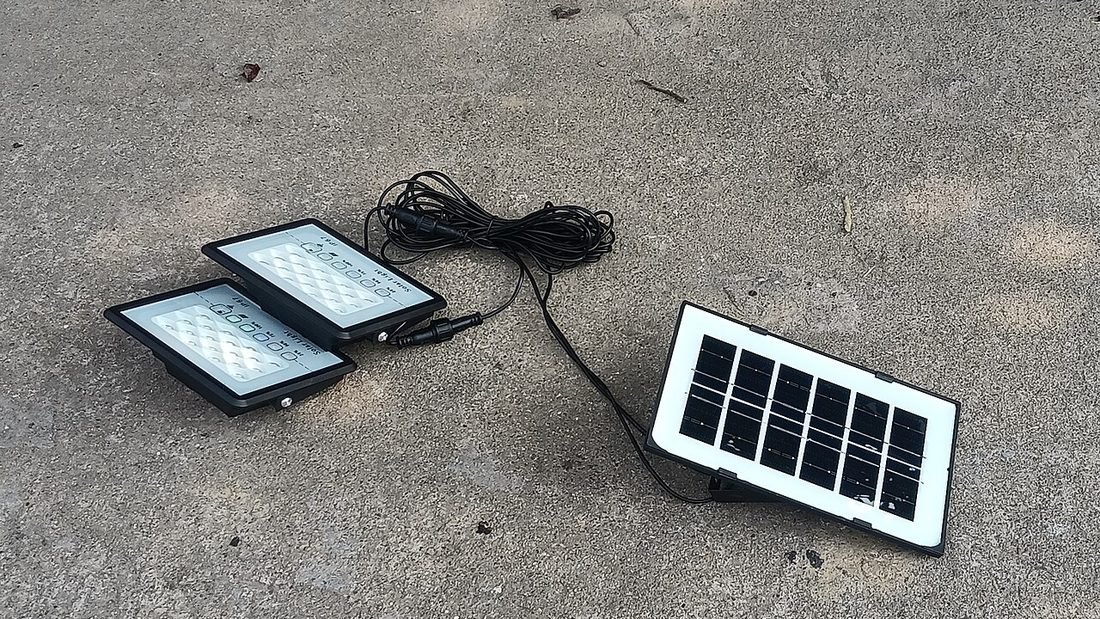
Image: Solar integrated light by Fumikas Sagisavas, CC0, via Wikimedia Commons.
Ordering solar street lights for a housing colony, school or panchayat can feel like decoding a spec sheet: watts, lumens, Wh, autonomy, IP rating. This guide explains the numbers that matter for solar street lights in Raipur so that you can compare quotations and avoid lights that dim by midnight.
Quick answer: check lumens at the luminaire (not just wattage), battery capacity in Wh with at least two days of autonomy, panel wattage that can recharge it in Raipur's sunshine, an IP65 or better rating and a clear warranty.
| Spec | Meaning | Typical range for colonies |
|---|---|---|
| LED wattage | Electrical power of the luminaire | 15 - 40 W |
| Lumens | Light output | 2,500 - 6,000 lm for residential lanes |
| Panel wattage | Solar input per day | Sized to recharge the battery |
| Battery capacity (Wh) | Energy stored | Enough for nightly use plus autonomy |
| Autonomy days | Nights without sun | 2 - 3 |
| Controller | Charges and dims | MPPT or PWM; dusk-to-dawn with dimming |
| IP rating | Dust and water protection | IP65 or higher |
| Pole height | Mounting height | 4 - 6 m for lanes |
The panel must recharge the nightly use during Raipur's days. With about 4 to 5 peak sun hours on average and system losses, a 30 W light running ten hours needs a panel in the range of about 80 to 100 W. Undersized panels cause lights to fade in monsoon weeks.
Spacing is commonly three to five times pole height. Wider spacing saves poles but leaves dark patches. A lighting designer or the supplier should provide a layout with expected illumination. Avoid mounting under tree canopies and shade.
| Design | Pros | Cons |
|---|---|---|
| All-in-one | Compact, quick to install | Battery and panel share one housing; replacement can be harder |
| Semi-integrated | Panel and luminaire on the pole; battery inside or below | More parts, better serviceability |
| Split with separate pole-mounted battery box | Large capacity, serviceable | More wiring and theft risk |
Compare the cost per pole over five to seven years, including battery replacement and cleaning, not just the purchase price. See our guide to solar street light supplier in Raipur for cost ranges.
A colony has a 600 metre internal road, 7 metres wide, and plans lights every 20 metres on alternate sides, about 30 poles. The designer proposes 30 W, 4,500 lumen luminaires at 5 metre height, 90 W panels and a 12.8 V lithium battery of about 60 Ah, which gives roughly 770 Wh. With dimming after midnight, nightly use is about 250 Wh, so autonomy exceeds three nights. The supplier provides test reports and a three-year warranty on the luminaire and five on the battery, with a local service contact. The society compares this with a cheaper quote that lists only wattage and battery in ampere-hours without voltage, and chooses the more transparent one.
| Task | Frequency |
|---|---|
| Clean panels and lenses | Every 4 - 6 weeks in the dry season |
| Inspect poles and fittings | Every 6 months |
| Check battery health and controller | Annually |
| Replace batteries | As per warranty, typically 5 - 7 years for lithium |
Controllers that dim after midnight stretch the battery and cut maintenance. Motion sensors can brighten lights only when someone passes, saving more energy but adding complexity. Dusk-to-dawn sensors avoid wasted daytime charging. Ask for the control logic in writing and the ability to adjust it after installation. A light that cannot be tuned may be too dim in winter or too bright at night for residents.
Raipur's monsoon brings several cloudy days in a row. Two to three nights of autonomy and a panel sized for the shortest days protect against dim lights. Ask for a battery capacity calculation that includes losses and ageing. In colonies with tall trees, check shade from branches at the pole location before ordering.
| Step | Detail |
|---|---|
| Survey the roads | Measure length, width and any bends |
| Decide the pole spacing | Three to five times pole height as a start |
| Mark shade from trees and buildings | Avoid shaded pole positions |
| Choose the design type | All-in-one, semi-integrated or split |
| Plan maintenance access | Safe reach for cleaning and battery work |
A good datasheet answers three questions: how bright, how long and how serviceable. To act on it, book a survey with a solar company in Raipur, ask how their solar installation in Raipur process works and compare them using the best solar company in Raipur questions. Our solar in Raipur overview and solar Raipur neighbourhood guide fill in the local detail. More articles are on the blog, and PM Surya Ghar Yojana in Raipur covers the scheme.
Residential lanes often use 3,000 to 6,000 lumens per light depending on pole height and spacing. A lighting designer decides based on road width and desired illumination.
It depends on wattage and autonomy. A 30 W light running about 10 hours needs roughly 300 Wh per night, so batteries are sized with margin for cloudy days.
The number of nights a light works without sun, usually two to three days in good designs.
Commonly three to five times the pole height, but it depends on light distribution and desired uniformity.
Lithium batteries commonly last five to seven years in street lights; check the warranty.
Visit C-29, Sector 3, Devendra Nagar, Raipur, Chhattisgarh 492001, call 083051 31420 or send your details online for a free survey and a written quotation. Our solar installation in Raipur team replies the same working day.
A good solar company in Raipur survey comes first. Read about solar in Raipur, compare firms with our best solar company in Raipur questions and see how solar installation in Raipur works in your solar Raipur neighbourhood. Browse every article on the solar blog, or see PM Surya Ghar Yojana in Raipur and our solar services.
Lighting layout, specification and quotation for colonies, campuses and panchayats.