
0%

Chillers, fans, pumps and lights run for hours on a farm. Solar can carry much of that load if the system is sized to the shed.
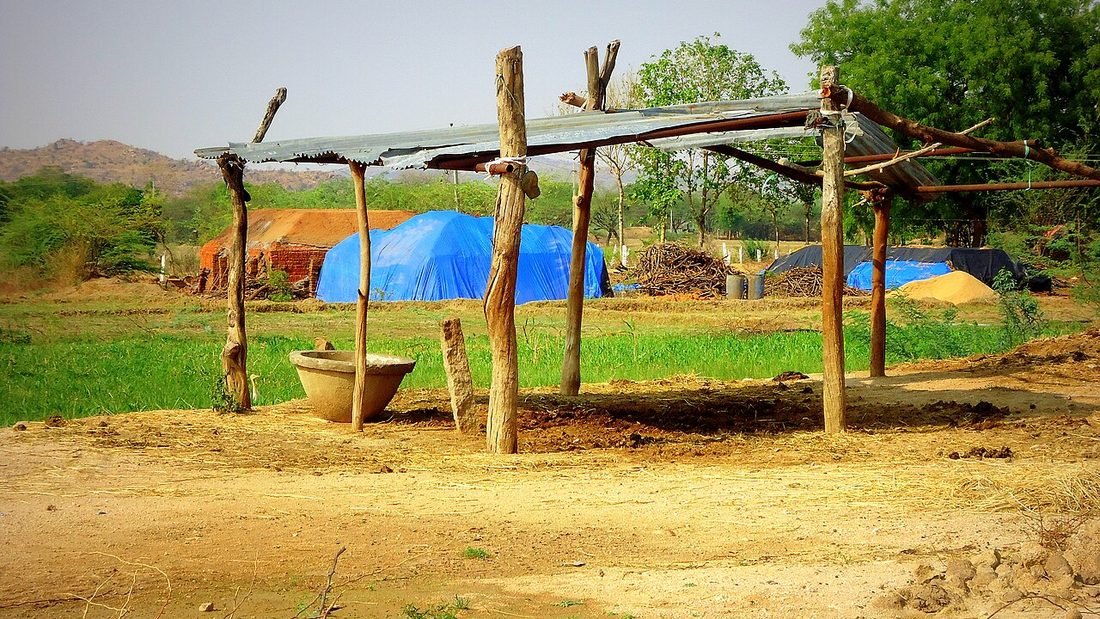
Image: Shed for Cattle by AnushaEadara, CC BY-SA 4.0, via Wikimedia Commons.
A dairy or poultry farm lives on electricity: lights, fans, milking machines, bulk milk chillers, water pumps, feed mixers and incubators. The loads are steady, the hours are long and power cuts cost money in lost milk and lost birds. That is why solar for dairy and poultry farms in Chhattisgarh is worth a serious look. This guide explains how to list your loads, what to size and how to protect critical equipment.
Quick answer: rooftop solar can cover a large part of daytime farm load, a hybrid design with batteries or a generator input protects critical equipment during outages, and payback often falls between three and five years where diesel or commercial tariffs are involved.
| Load | When it runs | Solar fit | Comment |
|---|---|---|---|
| Water pumps | Daytime irrigation or washing | Excellent | Often also eligible for PM-KUSUM support |
| Milk chillers | After each milking, plus holding | Good, with grid or battery | Chilling is critical, so plan backup |
| Milking machines | Morning and evening | Moderate | Evening use needs grid or battery |
| Poultry ventilation fans | Continuous, heavier in heat | Good by day, backup needed | Fan failure can be fatal to birds |
| Lighting | Evening and night | Needs battery or grid | LED lighting keeps the load small |
| Feed mixers and cutters | Daytime | Excellent | High-power loads that suit solar hours |
| Incubators and brooders | Continuous | Needs backup | Design backup for these first |
A grid-tied system is cheapest and works when the farm has a reliable connection. A hybrid system adds batteries for critical loads. An off-grid system serves sites with no grid, sized for autonomy through cloudy days. Many farms choose grid-tied solar plus a small hybrid or UPS for the most critical circuits, and keep the generator for long outages. See solar vs diesel generator in Raipur for the comparison.
A poultry house in a hot spell can lose birds within hours of a ventilation failure; a milk chiller failure can ruin a day's production. For these loads, design the backup first and size solar around it. Typical arrangements are a hybrid inverter with a battery bank for fans and chillers, a generator input for long outages and alarms for temperature or power loss. Ask your EPC for a one-line diagram that shows which circuits are backed up and for how long.
Solar pumps are the best-known farm application and may be supported under PM-KUSUM, with central and state support and a farmer contribution that vary by component and year. Confirm current rates before applying. Our guides to solar water pump in Raipur and agricultural solar pump dealer in Chhattisgarh cover sizing and documents.
Dairies use hot water for cleaning equipment. Solar water heaters can supply a large share of that need at a fast payback, and they pair well with an electric solar plant. Our solar water heater guide explains sizing by litres per day.
A small dairy with a chiller and pump may need 5 to 10 kW of solar. A medium poultry farm with ventilation and lighting may need 10 to 25 kW. At commercial or agricultural tariffs and with diesel displacement, annual savings of Rs 60,000 to 3 lakh are plausible, with paybacks of three to five years. These are screening ranges only; a survey gives the real numbers.
A dairy with 40 cows runs a milking machine for about three hours a day, a bulk milk cooler, a water pump, fodder cutter, fans and lights. Connected load is about 15 kW, with average daily use of perhaps 70 to 90 units. A 15 to 20 kW solar plant with a small battery bank for the chiller and essential lights could offset a large share of daytime use and reduce grid purchases. The bulk cooler and milking machine are the loads to protect with backup; the pump and fodder cutter can run directly from solar by day. Annual saving depends on the tariff and diesel use, but dairies that currently run a generator for part of the day often see the fastest payback.
A poultry farm of 10,000 birds depends on ventilation fans, lights, water pumps and feed systems. Fans can draw several kilowatts in hot weather, and a failure of ventilation for even an hour in summer can cause losses. A hybrid system with a battery sized for essential fans and a generator input for long outages, combined with 15 to 25 kW of solar, can cut the grid bill and protect the birds. The design starts from the critical-load list and backup duration, not from the roof area.
Farm solar can often be financed through agricultural or MSME loans, and loan officers will want a written quotation, a load list and a simple cash-flow statement. Keep records of diesel and electricity bills before and after installation so that you can measure the saving. If you also run the farm as a registered business, speak to your accountant about depreciation and GST. A tidy file also helps if you later apply for pump support or expand the plant.
Design the electrical layout from the start so that later phases plug in without rewiring. A phased approach lets savings from phase one help fund phase two, and keeps the farm protected as it grows.
Whatever the scale, share your load list and bills with at least two installers and compare the designs line by line before you decide.
For the statewide picture, read solar in Chhattisgarh and choose a solar company in Chhattisgarh that has done farm work. Our rooftop solar installation in Chhattisgarh team installs on shed roofs, and farmers' families can claim PM Surya Ghar Yojana in Chhattisgarh and learn solar subsidy apply online in Chhattisgarh for their homes. Farms near the capital can speak to a solar company in Raipur, read solar in Raipur, compare firms using the best solar installer in Raipur checklist, check PM Surya Ghar Yojana in Raipur and book rooftop solar installation in Raipur for the farmhouse.
Yes, if the system is sized to the load. These run in set windows and are compatible with solar plus grid or battery backup. A load list and a survey determine the plant size.
Ventilation fans and lighting are critical in poultry houses. A hybrid system with batteries and a generator input keeps essentials running during outages. Design the backup around the critical load.
Pumps may be supported under PM-KUSUM, with rates varying by year and component. There is no PM Surya Ghar subsidy for commercial farm sheds, so the main benefit is lower energy and diesel cost.
Often yes, after a structural check. Metal sheds, asbestos sheets and RCC roofs need different mounting, and corrosive ammonia and humidity call for coated fixings.
It depends on tariff, diesel use and load. Systems that displace diesel generators or pay commercial tariffs commonly pay back in around three to five years.
Send us your connected load list, shed dimensions and electricity bills and we will return a sized design. Visit C-29, Sector 3, Devendra Nagar, Raipur, Chhattisgarh 492001, call 083051 31420 or request a farm visit.
Next, talk to a solar company in Raipur about solar installation in Raipur. Our solar in Raipur guide explains costs, the solar Raipur guide covers your area and the best solar company in Raipur checklist helps you choose. Browse every article on the solar blog, or see PM Surya Ghar Yojana in Raipur and our solar services.
Load survey, shed roof check, hybrid backup options and subsidy guidance from a Raipur solar EPC team that serves farms across Chhattisgarh.