
0%

Weather, approvals and your own bills all influence timing. Here is when installing makes the most sense.
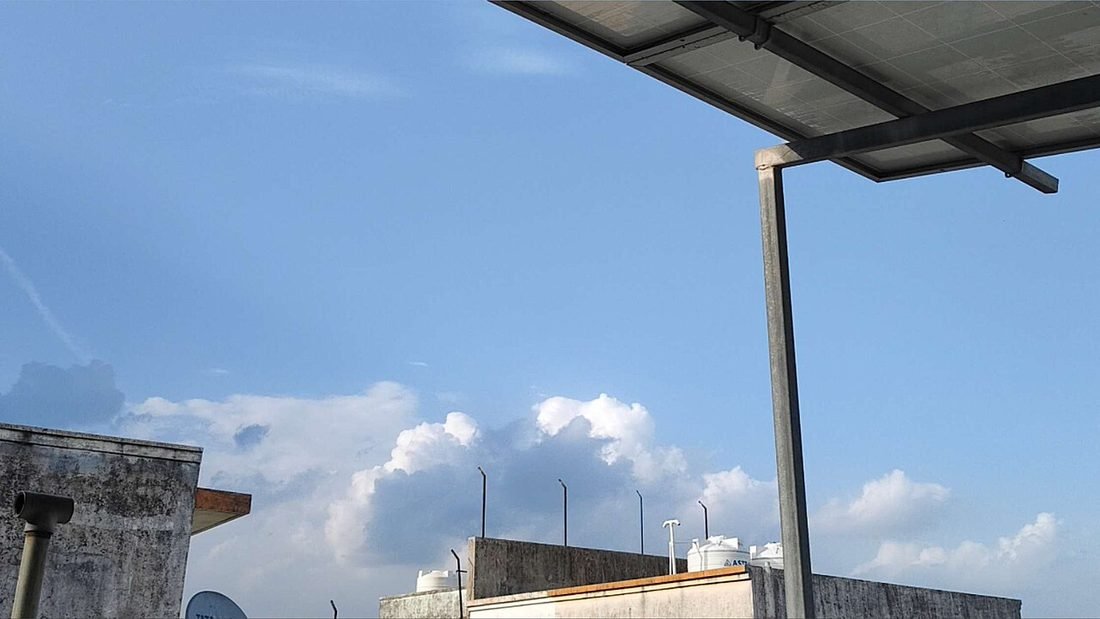
Image: Solar Panel Canopy under a Blue Sky by SarahZen, CC BY-SA 4.0, via Wikimedia Commons.
"When should I install?" has a short answer and a longer one. The short answer: as soon as you are ready, because every month without solar is a month of full bills. The longer answer looks at weather, approvals and your own consumption pattern. This guide takes a month-by-month view of solar in Raipur so you can plan the install window that suits you.
Quick answer: the best window is October to February. Weather is clear and dry, installation is quick and your system is generating well before the high-output months of March to May.
| Months | Weather | Installation conditions | Generation outlook |
|---|---|---|---|
| October - November | Post-monsoon, clear and mild | Excellent: dry roofs, comfortable for crews | Strong, among the best months |
| December - January | Cool, clear, occasional fog | Very good | Good; panels efficient in cool air |
| February | Warming, clear | Very good | Rising towards spring peak |
| March - May | Hot and dry, heavy dust | Good, but hard on crews in the afternoon | Highest output; dust needs cleaning |
| June | Pre-monsoon storms, building heat | Workable; storms interrupt | Variable, with cloud |
| July - September | Monsoon | Possible but slower; waterproofing needs care | Lowest output; rain cleans panels |
You can order and process approvals in the monsoon so the paperwork is done when the skies clear. Installation itself is possible between showers but slower, and extra care is needed for waterproofing around foundations. If you must install in the rains, ask the installer how roof penetrations will be sealed and protected. Do not skip safe-work practices on wet roofs.
March to May is when the system produces most, so being live earlier matters. Heat makes afternoon roof work uncomfortable, so good crews start early. Dust is heavy, so plan cleaning from day one. If you are ordering in March or April, remember that approvals and meter fitting take time, so your first full-power month may arrive later than expected.
| Stage | Typical duration |
|---|---|
| Survey and quotation | 1 - 2 weeks |
| Portal registration and CSPDCL feasibility | 1 - 3 weeks |
| Material ordering, including compliant modules | 1 - 3 weeks |
| Installation | 3 - 5 days on site |
| Net meter and inspection | 1 - 4 weeks |
| Subsidy after commissioning | About one month targeted |
Add these and you reach roughly one to three months from decision to generation. To be live by March, you should start in December or January. To catch the post-monsoon peak, start around August or September. Our installation time guide shows the day-by-day detail.
Waiting for a better deal is tempting, but prices and rules move both ways. Module availability has been tight at times in 2026, and compliance rules have changed. A month of delay costs a month of full bills, roughly Rs 2,400 to 3,000 for a typical 3 kW household. Decide on numbers you can verify today, not on rumours. Read PM Surya Ghar Yojana in Chhattisgarh for the current slabs.
If your highest consumption is in summer air-conditioning months, being live before March captures the most value. If you plan a new air conditioner or an EV, factor it into sizing before you install. Read 3 kW vs 5 kW to choose the right capacity.
| Install month | Months of high output in year one | Comment |
|---|---|---|
| October | About 7 of the first 8 months are clear-sky months | Best use of the first year |
| December | About 6 of the next 6 months are dry; spring peak right ahead | Very strong first spring |
| March | Peak months start straight away, then monsoon dip | First-year saving tilts to the early months |
| July | Monsoon first, then strong autumn | Weaker start, strong second half |
The long-run saving over 25 years does not depend much on the month you install. What the season changes is the shape of your first year and how comfortable the installation is. If you are choosing between September and December, December usually gives the better first year, but not by a margin that should delay a decision by months.
Demand for installations often rises before summer and after the monsoon, when many households decide to go solar. Module availability and crew schedules can tighten, and the queue for CSPDCL inspections can lengthen. Booking early, even if installation is a few weeks away, helps you secure materials and a slot. Ask your installer how far ahead their schedule is and how they handle peak periods.
Personal calendars matter too. Avoid scheduling installation during a family wedding, a long trip or exam season when someone must be home for site access and meter inspection. Consider the date of the CSPDCL inspection, because someone should be present. If you are away for long stretches, name a trusted person and tell the installer. A calm installation week beats a rushed one, and the extra days rarely change the long-run saving.
If you are reading this in June and wanted to be live by March, do not despair. Start the survey, registration and feasibility now so that everything is ready when the rains ease. Choose the module and inverter, confirm the delivery date and ask the installer to hold a slot for the first clear week. You will lose a few weeks at most, and next March you will be generating at full strength.
Remember too that solar is a 25-year asset. Whether it started in November or January, in year five nobody will notice. What matters is that it was designed, installed and maintained well.
Following this rhythm puts your system online well before the peak months and makes the whole process feel unhurried.
Share this calendar with your family and installer so that everyone works towards the same go-live date.
Read solar in Raipur, then ask a solar company in Raipur for a survey date. Our rooftop solar installation in Raipur team plans from your target go-live date, and the PM Surya Ghar Yojana in Raipur page explains the scheme. Use the best solar installer in Raipur checklist when you compare firms, and follow solar subsidy apply online in Chhattisgarh for the application. For the state view, read solar in Chhattisgarh, how to choose a solar company in Chhattisgarh and rooftop solar installation in Chhattisgarh.
October through February is ideal. Skies are clear, roofs are dry, approvals can run ahead of the spring peak and your system is generating before March to May.
Yes, with care. Rain slows work and roof waterproofing needs attention, but approvals and ordering can proceed so the system goes live as soon as weather allows.
Waiting has a cost: every month without solar is a month of full bills. Subsidy rules and prices change in both directions, so decide on the numbers you can verify today.
Plan on roughly one to three months from order to commissioning, depending on approvals, module availability and inspection scheduling.
No. The subsidy depends on scheme rules and your application stages, not on the month of installation.
Tell us when you would like to be generating and we will plan survey, approvals and installation backwards from that date. Visit C-29, Sector 3, Devendra Nagar, Raipur, Chhattisgarh 492001, call 083051 31420 or book a survey.
Next, talk to a solar company in Raipur about solar installation in Raipur. Our solar in Raipur guide explains costs, the solar Raipur guide covers your area and the best solar company in Raipur checklist helps you choose. Browse every article on the solar blog, or see PM Surya Ghar Yojana in Raipur and our solar services.
Survey, approvals and installation scheduled so your system is live before the high-output months.