
0%

Warehouse roofs are huge and cold stores run all day. That is a natural solar match with a few engineering details to get right.
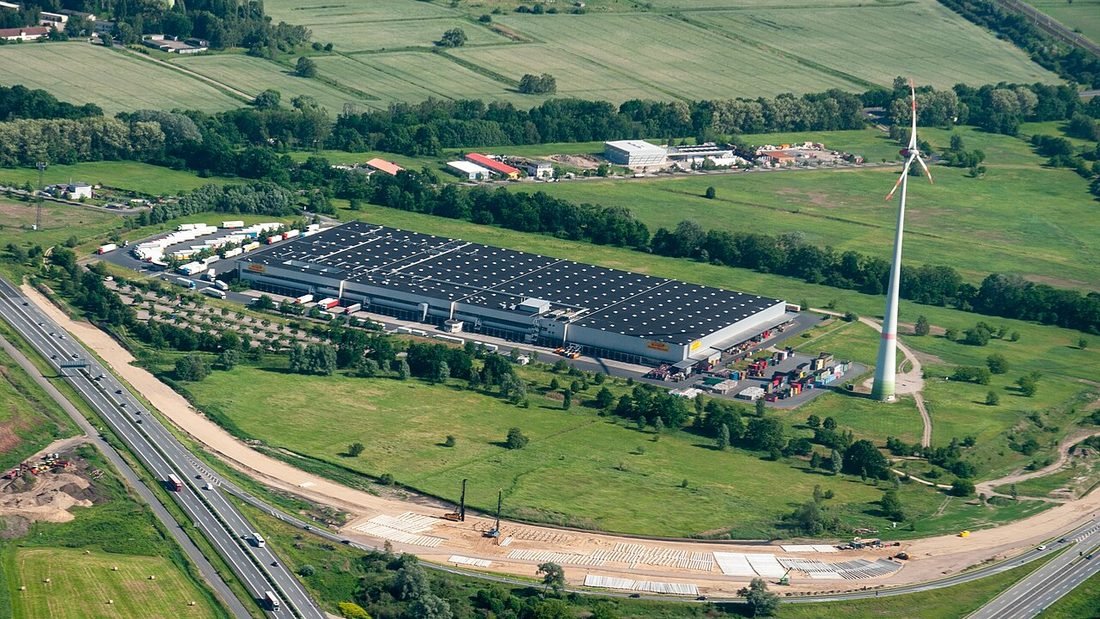
Image: Aerial, Wandlitz ( 1090170) by Matti Blume, CC BY-SA 4.0, via Wikimedia Commons.
Warehouses and cold stores have two things solar developers love: very large roofs and loads that run all day. In Chhattisgarh, with its agricultural output and growing logistics sector, solar for cold storage and warehouses is a serious opportunity. This guide explains how to evaluate it, what to protect and how to avoid the engineering traps.
Quick answer: rooftop solar can cut a cold store's energy bill substantially, typically with payback in three to five years, provided the roof can carry the load and refrigeration backup is designed separately.
| Site type | Load pattern | Solar match |
|---|---|---|
| Cold storage for potatoes, vegetables, fruit | Continuous, peak in hot weather | Strong, with night supply from grid |
| Dry warehouse | Lighting and handling equipment by day | Excellent |
| Pharma or dairy cold chain | Critical continuous load | Good for bill saving; strict backup needed |
| Rice or grain godown | Seasonal, daytime | Good, size to season |
Large sheds often have lightweight roofs. A structural engineer should check purlins, trusses and fixings for panel weight and wind uplift. Maintain fire breaks and access, follow insurer requirements and use fire-rated cables and isolators. Include clear DC isolation points for firefighters.
Solar is not a cold-chain safeguard. Keep generators or batteries for outages and design controls so that solar and backup do not conflict. A grid-tied inverter shuts down in an outage, so the generator must power the cold store independently. Ask the EPC to document the changeover arrangement.
Cold stores can pre-cool during sunny hours and coast through evening, lifting solar self-consumption. This requires temperature controls and monitoring. The savings can be meaningful, but they depend on product tolerance and equipment, so involve the operations team.
Dust and bird droppings affect large arrays, so plan scheduled cleaning, safe walkways and fall protection. A monitoring system with string-level alerts helps spot faults early. Include an annual inspection of structure, earthing and surge protection.
A warehouse with a 5,000 square metre roof has usable area of about 3,000 square metres after removing skylights, ridge vents and fire paths. At roughly 10 square metres per kW, that is about 300 kW. Generation is about 4.3 lakh units a year, which could offset a large share of a facility that consumes 6 to 8 lakh units. At an industrial tariff the annual saving can run to Rs 30 lakh or more, in line with payback of about three and a half to four and a half years. The owner commissions a structural study first, which finds that purlins need strengthening in one section; the cost is included in the project and the payback remains attractive.
| Component | Behaviour |
|---|---|
| Grid-tied solar plant | Shuts down for line-worker safety |
| Refrigeration | Runs on generator or battery backup only |
| Hybrid or microgrid design | Can island and run on solar and storage if designed for it |
Make the backup philosophy explicit in the contract so that expectations match what the system can do.
Big roofs reward big engineering and careful backup design. To act on it, book a survey with a solar company in Raipur, ask how their solar installation in Raipur process works and compare them using the best solar company in Raipur questions. Our solar in Raipur overview and solar Raipur neighbourhood guide fill in the local detail. More articles are on the blog, and PM Surya Ghar Yojana in Raipur covers the scheme.
Solar can supply a large share of a cold store's daytime energy and cut the bill. Refrigeration must still be backed by the grid or generators and, if needed, batteries or thermal storage.
Roughly 10 square metres per kW on a flat roof; metal sheds vary. A 5,000 square metre roof can host several hundred kW if the structure allows.
Structural capacity, fire safety, dust, power quality and the need for reliable backup for cold chain loads.
Industrial rooftop plants commonly pay back in three to five years, depending on tariff and design.
Cold stores can pre-cool during solar hours and ride through evenings, which improves solar use. This needs design and controls.
Visit C-29, Sector 3, Devendra Nagar, Raipur, Chhattisgarh 492001, call 083051 31420 or send your details online for a free survey and a written quotation. Our solar installation in Raipur team replies the same working day.
A good solar company in Raipur survey comes first. Read about solar in Raipur, compare firms with our best solar company in Raipur questions and see how solar installation in Raipur works in your solar Raipur neighbourhood. Browse every article on the solar blog, or see PM Surya Ghar Yojana in Raipur and our solar services.
Structural check, load analysis and a sized proposal for cold stores and warehouses.