
0%
How factories in Raipur and Chhattisgarh can install industrial solar power plants to slash electricity bills and go green.
Electricity is one of the largest operating expenses for any factory. In Chhattisgarh, industrial electricity tariffs from CSPDCL range between ₹7 and ₹10 per unit, and they rise almost every year. For a medium-sized manufacturing unit consuming 15,000 to 30,000 units per month, that translates to an annual electricity bill of ₹12 to ₹36 lakh. A solar power plant for factory in Raipur can cut that bill by 70 to 80 percent from the very first year.
This guide covers everything factory owners in Raipur, Bhilai, Durg, Bilaspur, Korba and Rajnandgaon need to know about installing an industrial solar power plant — from system sizing and costs to financial incentives and the EPC process.
Chhattisgarh receives over 300 sunny days a year with an average of 5 to 5.5 peak sun hours daily. That makes it one of the best states in India for solar power generation. Add to that the steadily rising industrial tariffs, and the business case for a solar power plant becomes impossible to ignore.
Here is what drives factory owners to go solar:
If your factory is spending more than ₹1 lakh per month on electricity, a industrial solar power system will almost certainly deliver a positive ROI within 3 to 5 years.
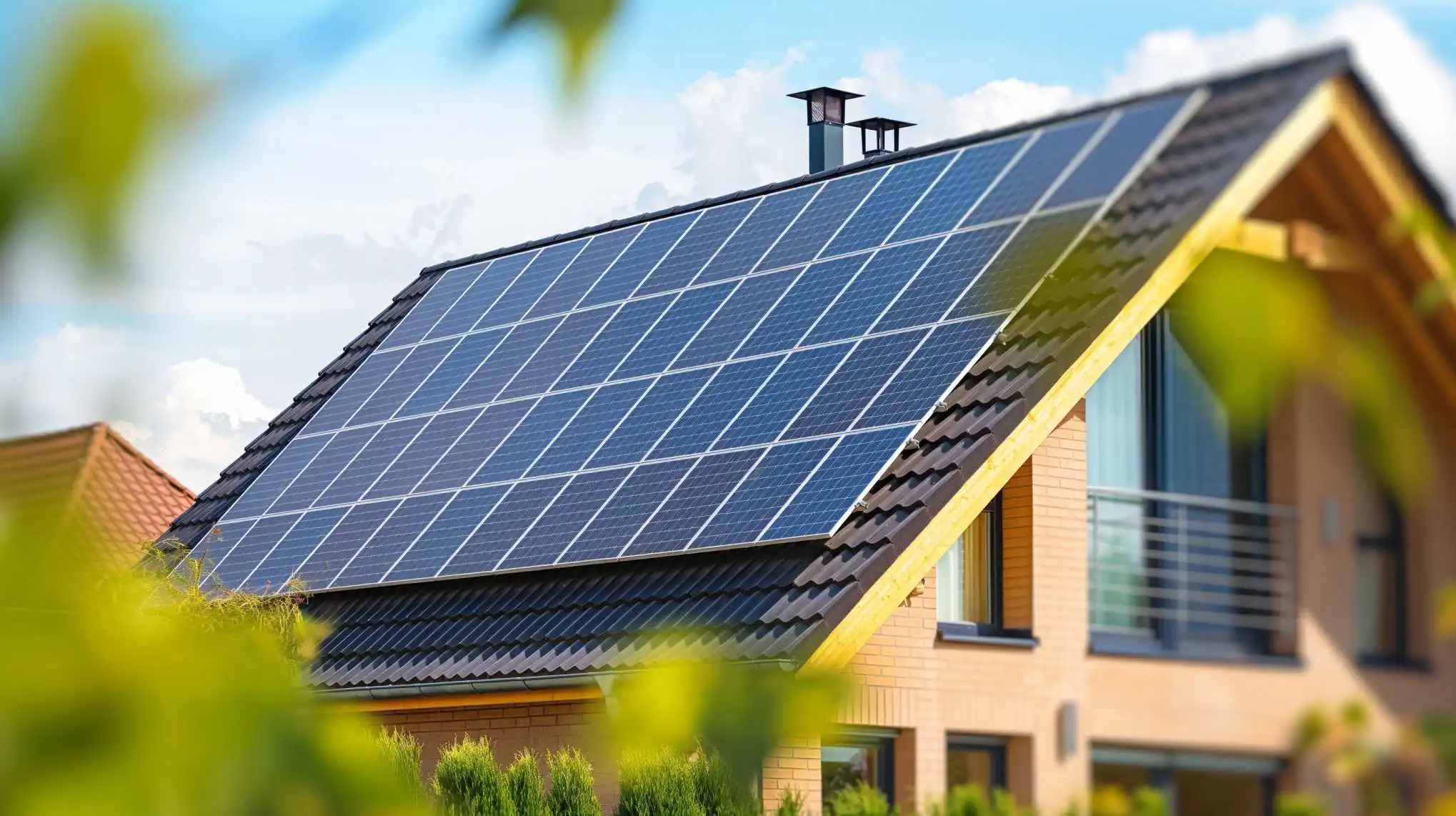
Most factories in Raipur have large roof areas — tin sheet, RCC or metal deck — that are ideal for solar panel installation. A rooftop system uses your existing unused roof space, requires no additional land and connects directly to your factory's electrical system.
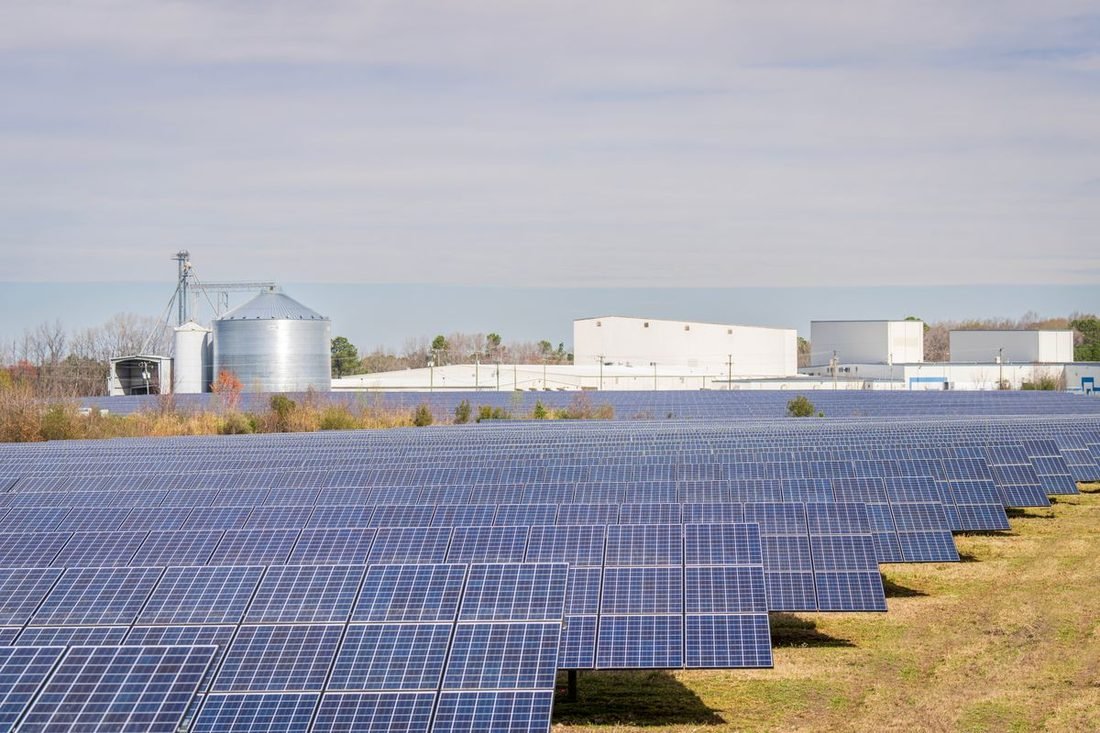
If your factory has vacant land nearby or the roof structure cannot support panels, a ground-mounted system is the alternative. Ground-mounted plants can scale to megawatt capacity and are common for large manufacturing units and industrial parks.
For factories that need uninterrupted power or experience frequent grid outages, a hybrid solar system with battery backup ensures continuous operation. The battery stores excess solar energy during the day and releases it during power cuts or at night.
The right system size depends on your monthly electricity consumption, available roof or land area and budget. Here is a general guide for factories in Raipur:
| Factory Type | Monthly Consumption | Recommended System | Approximate Cost | Annual Savings | Payback Period |
|---|---|---|---|---|---|
| Small Workshop | 3,000 – 5,000 units | 25 – 40 kW | ₹12 – 20 lakh | ₹2.5 – 4 lakh | 4 – 5 years |
| Medium Factory | 8,000 – 15,000 units | 60 – 120 kW | ₹30 – 60 lakh | ₹6.5 – 12 lakh | 4 – 5 years |
| Large Manufacturing | 20,000 – 50,000 units | 150 – 400 kW | ₹75 lakh – ₹2 crore | ₹16 – 40 lakh | 3.5 – 5 years |
| Industrial Plant | 50,000+ units | 500 kW – 2 MW+ | ₹2.5 crore+ | ₹40 lakh+ | 3 – 4 years |
Costs are approximate and vary based on panel brand, inverter type, structure design and site conditions. Contact Gupta Agro Solar for a free site assessment and customised quote for your factory.
Under the Income Tax Act, businesses can claim 40 percent accelerated depreciation on the cost of their solar power plant in the first year itself. For a ₹1 crore solar installation, that means a tax benefit of approximately ₹12 to ₹14 lakh (at a 30 percent tax rate) in Year 1 alone. This dramatically reduces the effective cost and shortens the payback period.
Under CSPDCL's net metering policy, your factory can export surplus solar electricity to the grid and receive credits against future consumption. During peak sun hours when your factory might be running at lower capacity (such as lunch breaks or weekends), every unit fed back to the grid offsets a unit consumed later. This maximises your savings even when your factory does not consume 100 percent of the solar generation.
Every megawatt-hour of solar electricity your factory generates avoids approximately 0.7 to 0.9 tonnes of CO2 emissions. Large installations can register for carbon credits or Renewable Energy Certificates (RECs), creating an additional revenue stream. A 200 kW plant in Raipur can generate carbon credits worth ₹50,000 to ₹1 lakh annually.
For companies with CSR obligations or ESG reporting requirements, an on-site solar power plant demonstrates a tangible commitment to sustainability. It strengthens your brand reputation with customers, investors and regulatory bodies.
Once installed, your solar plant generates electricity at a fixed cost for 25+ years. While CSPDCL tariffs continue to rise at 5 to 8 percent annually, your solar electricity cost remains locked in. By Year 10, you could be paying one-fourth of what non-solar factories pay per unit.
As an experienced solar EPC company in Chhattisgarh, Gupta Agro Solar handles the complete process from feasibility study to commissioning:
Our engineers visit your factory to assess the roof or land area, study the electrical load profile, analyse shadow patterns and recommend the optimal system size. This assessment is completely free and comes with no obligation.
We design a custom solar power plant tailored to your factory's consumption pattern, available space and budget. The proposal includes a detailed cost breakdown, generation estimates, savings projection and ROI timeline.
We handle all regulatory approvals including CSPDCL net metering application, electrical inspector clearance, load sanction verification and any required NOCs. Our team manages the complete paperwork so your operations are not disrupted.
We source BIS-certified panels and MNRE-approved inverters from top-tier manufacturers. Installation timelines depend on system size: a 50 kW rooftop system takes 7 to 10 days, while a 200 kW+ system may take 3 to 4 weeks. We schedule installation to minimise disruption to your factory operations.
After installation, we coordinate CSPDCL inspection, net meter installation and system commissioning. Your solar power plant is handed over to you fully operational with all documentation, warranties and a remote monitoring system.
Our solar maintenance and support team provides annual maintenance contracts covering panel cleaning, inverter servicing, cable inspection and performance monitoring. Proper maintenance ensures your plant delivers optimal output for its entire 25-year lifespan.
Let us look at a real-world example. Consider a medium-sized manufacturing unit in Raipur that consumes approximately 12,000 units per month and pays an average tariff of ₹8.5 per unit to CSPDCL.
| Parameter | Value |
|---|---|
| System Size | 100 kW |
| Total Installation Cost | ₹50 lakh (approx.) |
| Annual Generation | 1,50,000 units (5 hrs × 365 days × 0.82 CUF) |
| Annual Savings (Year 1) | ₹12.75 lakh (at ₹8.5/unit) |
| Accelerated Depreciation Benefit (Year 1) | ₹6 lakh (40% of ₹50L × 30% tax rate) |
| Effective Year 1 Benefit | ₹18.75 lakh |
| Simple Payback Period | 3.5 to 4 years |
| 25-Year Lifetime Savings | ₹4.5 to ₹5.5 crore (with annual tariff escalation) |
| CO2 Offset (Annual) | ~120 tonnes |
After the payback period of 3.5 to 4 years, the factory enjoys free electricity for the remaining 21+ years of the solar plant's life. With tariffs rising annually, the cumulative savings over 25 years can exceed ₹5 crore — a tenfold return on a ₹50 lakh investment.
Rice mills in Raipur and Durg typically consume 5,000 to 15,000 units monthly. A 50 to 100 kW rooftop solar system on the mill's tin-sheet roof can cover 60 to 80 percent of this consumption. The large, unshaded roof area of a typical rice mill makes it ideal for solar installation.
Steel plants and fabrication workshops in the Bhilai-Durg industrial belt are among the highest electricity consumers. While solar cannot replace the power needed for arc furnaces, it can handle the auxiliary loads — lighting, compressors, cranes, office areas — and reduce overall grid dependence by 30 to 50 percent.
Cold storage facilities run refrigeration compressors around the clock. A commercial solar installation paired with a battery system ensures the cold chain is maintained even during CSPDCL power cuts, while cutting electricity bills significantly.
Textile units with their large flat roofs are perfectly suited for rooftop solar. A 75 to 150 kW system can offset most of the daytime consumption from looms, cutting machines and finishing equipment.
Gupta Agro Solar has been a trusted solar EPC company in Chhattisgarh since 2010. Here is why factory owners across Raipur, Bhilai, Durg, Bilaspur, Korba and Rajnandgaon choose us for their commercial solar installation in Raipur:
A 50 kW rooftop system takes 7 to 10 working days. A 100 to 200 kW system takes 2 to 4 weeks. The complete process including CSPDCL approvals and net metering typically takes 45 to 90 days from site assessment to commissioning.
No. We plan the installation to cause zero disruption to your factory operations. The electrical integration is done during a planned shutdown window of just 2 to 4 hours.
On cloudy days, the system generates at reduced capacity (typically 30 to 50 percent of peak). At night, your factory draws power from the CSPDCL grid as usual. With net metering, the surplus units exported during sunny hours offset the grid units consumed at night.
Commercial and industrial installations do not receive a direct subsidy like residential systems under PM Surya Ghar. However, the 40 percent accelerated depreciation benefit is a powerful financial incentive that effectively reduces the cost by 12 to 14 percent in the first year. Additionally, net metering, carbon credits and GST input credit further improve the financial returns.
Solar panels come with a 25-year performance warranty and typically last 30+ years. Inverters have a lifespan of 10 to 15 years. With proper maintenance, a well-installed industrial solar plant delivers consistent performance for over 25 years.
Gupta Agro Solar provides a free site assessment and customised solar proposal for factories across Raipur, Bhilai, Durg, Bilaspur, Korba and Rajnandgaon.
Call Now Get Free Quote