
0%

Religious and charitable institutions can cut power costs and set an example. Here is how to plan, fund and run a plant.
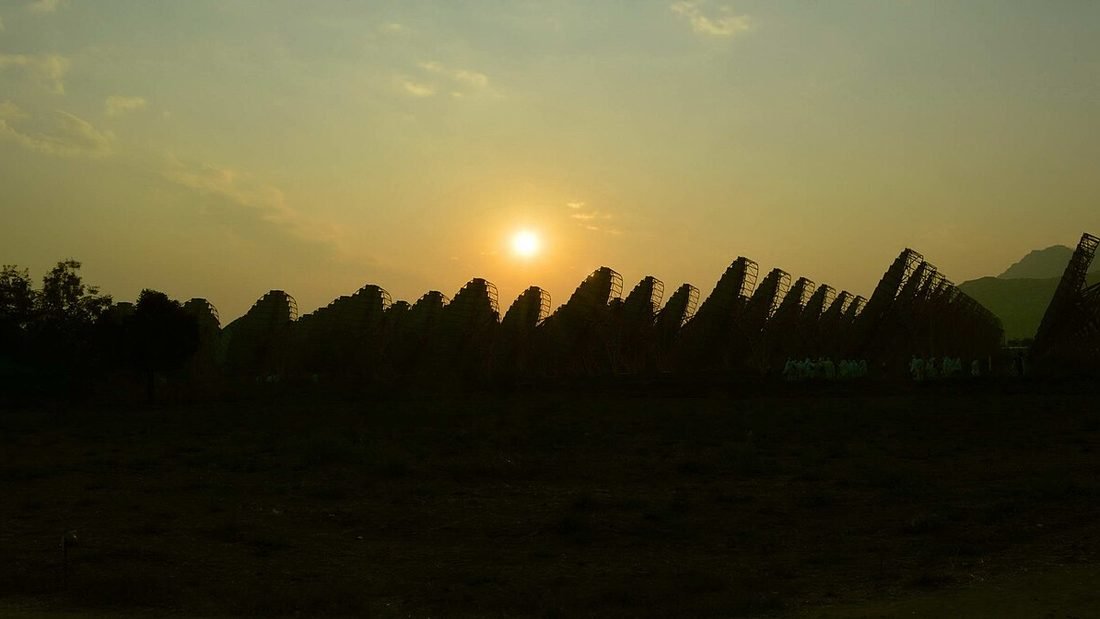
Image: India One Solar Thermal Power Plant - India - Brahma Kumaris 00 by Bkwcreator, CC BY-SA 3.0, via Wikimedia Commons.
Temples, gurudwaras, mosques, churches, charitable trusts and NGOs all pay electricity bills that donors would rather see spent on their mission. Solar for temples, trusts and NGOs in Raipur reduces that cost and sends a visible message about stewardship. This guide shows how to plan, fund and govern a plant so that it is transparent and durable.
Quick answer: size the plant to daytime load, fund it through donations, CSR or a loan, record decisions in a trustee resolution and publish generation figures so that donors see results.
| Use | When | Solar fit |
|---|---|---|
| Offices and classrooms | Daytime | Excellent |
| Kitchens and community halls | Mixed, often events | Good, with net metering |
| Water pumps | Daytime | Excellent |
| Evening lighting and sound systems | Evening | Needs grid or battery |
| Clinics and dispensaries | Daytime | Excellent |
Look at twelve months of bills and note festival peaks. A trust paying Rs 15,000 a month may need 10 to 15 kW; a large complex with hostels and kitchens may need 50 kW or more. Do not size for the single biggest festival month; net metering handles variation, and the roof may be limited by heritage or structure.
Temple roofs and older community buildings may be sloping, tiled or decorative. Check structural capacity, visibility from the street and any restrictions on altering heritage structures. Often, arrays can be placed on rear or auxiliary roofs, or on ground-mounted structures in open land.
A visible plant with a small display board can educate visitors about clean energy. Some trusts run workshops for the community. Ask your installer for a signboard and a simple dashboard.
Keep roof access restricted, fence ground-mounted arrays and brief volunteers not to climb on structures. Schedule installation away from major festivals.
A charitable trust pays about Rs 24,000 a month across a school block, a dispensary and an office. Most use is between 9 am and 5 pm. A 20 kW rooftop plant on the school block generates about 2,400 units a month on average, offsetting the larger part of daytime use. Annual saving is in the region of Rs 2.5 to 3 lakh at institutional tariffs. The trust funds half through a donor appeal and half through a bank loan whose EMI is covered by the saving. A notice board in the lobby shows monthly generation and the rupees saved, which the trustees quote in their annual report.
| Mistake | Better approach |
|---|---|
| Sizing for the festival peak month | Size for the annual average and rely on net metering |
| No written comparison of proposals | Obtain two or three and record the decision |
| Ignoring maintenance | Budget for cleaning and an annual inspection |
| No public reporting | Publish capacity, cost and savings |
| Leaving roof access open | Lock access and restrict to trained staff |
Many institutions use most power in the evening, for prayer halls, lighting and sound systems. Solar generates by day, so evening use is served by the grid through net metering credit, or by batteries if reliability matters. Batteries add cost; consider them for essential lighting and critical equipment rather than the whole load. Our guide to solar battery storage explains sizing.
A trust's solar plant should be as transparent as its accounts. For the fundamentals of solar in Raipur, read our cost and savings guide, and use the solar Raipur locality guide for your neighbourhood. A local solar company in Raipur should survey your roof, our checklist for the best solar company in Raipur shows what to ask, and our solar installation in Raipur team handles the work. Browse all solar guides or read about PM Surya Ghar Yojana in Raipur.
Yes. Solar suits temples with daytime offices, kitchens, pumps and lighting, and trusts running schools or clinics. Evening lighting needs grid or batteries.
Common routes are donor contributions, CSR support, bank loans and savings from lower bills. Keep transparent records for donors.
Support schemes for institutions vary and change. Ask the distribution company and the national portal for current options.
Trustee resolution, roof ownership documents, distribution company feasibility and, for heritage buildings, any local permissions.
Publish the cost, capacity, expected saving and actual generation on a notice board or website.
Visit C-29, Sector 3, Devendra Nagar, Raipur, Chhattisgarh 492001, call 083051 31420 or send your details online for a free survey and a written quotation. Our solar installation in Raipur team replies the same working day.
Looking for the best solar company in Raipur? See how solar in Raipur works, check the solar Raipur locality guide and book solar installation in Raipur with a trusted solar company in Raipur. Our checklist for the best solar company in Raipur shows what to ask. Browse every article on the solar blog, or see PM Surya Ghar Yojana in Raipur and our solar services.
Proposal with cost, capacity, funding options and a donor-friendly summary.