
0%

Classrooms run by day, which suits solar. Here is how institutions can size, fund and teach with a rooftop plant.
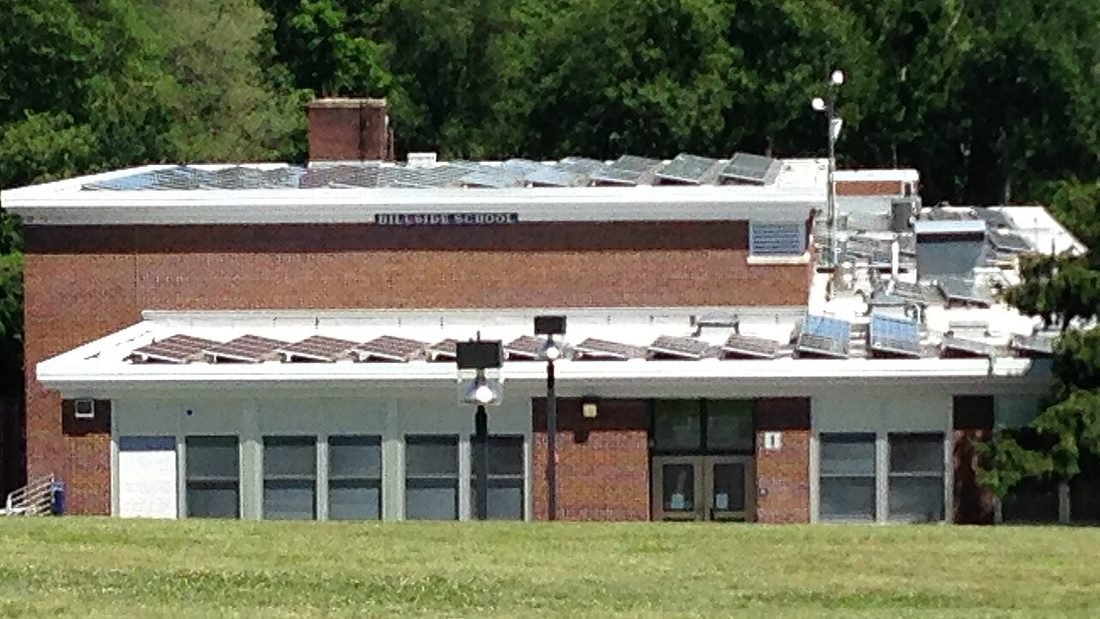
Image: Photovoltaic panels on a school building by Z22, CC BY-SA 4.0, via Wikimedia Commons.
A school or college is almost an ideal solar customer: big roofs, daytime use, a long planning horizon and a mission to teach. Solar for schools and colleges in Chhattisgarh can cut running costs, show students clean energy at work and free budget for teaching. This guide covers sizing, funding models, roof checks and how to make the plant part of the curriculum.
Quick answer: an institutional rooftop plant typically pays back in about four to five years, keeps generating during vacations through net metering and needs routine cleaning and an annual inspection.
| Institution | Typical plant | Indicative annual saving | Indicative payback |
|---|---|---|---|
| Small school | 15 - 30 kW | Rs 1.8 - 4.4 lakh | 4 - 5 years |
| Medium school or college | 50 - 100 kW | Rs 6 - 15 lakh | 3.5 - 5 years |
| Large campus with hostels | 100 - 300 kW | Rs 12 - 40 lakh | 3.5 - 5 years |
These ranges follow the commercial figures in our solar savings guide and vary with tariff and design.
When the school is closed, the plant still produces. With net metering, exported energy offsets later consumption, so the annual picture is what matters. Ask your installer to model monthly generation against your academic calendar. Summer vacation coincides with high solar output, so exported units can be significant, and you should confirm the current settlement rules.
| Check | Why |
|---|---|
| Structural capacity of old classroom roofs | Panels and wind loads must be supported |
| Roof waterproofing and age | Avoid installing on a roof that will soon need replacement |
| Student access and fall protection | Keep the roof locked; provide safe access for maintenance only |
| Fire safety and clearances | Maintain escape routes and access |
| Earthing and lightning protection | Schools are often tall, exposed buildings |
A monitoring display in the lobby, a lesson on how photovoltaic cells work and a student project tracking generation against weather make the plant a living classroom. Ask your installer to provide a read-only dashboard and a short orientation for teachers.
A school pays about Rs 38,000 a month and uses most of its power on weekdays between 8 am and 4 pm. Roof area on two blocks is about 600 square metres. A 50 kW plant fits comfortably and generates roughly 6,000 units a month on average. At institutional tariffs, annual savings of around Rs 6 to 7.5 lakh are plausible, consistent with the commercial ranges used across this site. Funded by a bank loan, the EMI is close to the saving, and the plant keeps producing through the long summer break when the exported surplus is credited. After the loan ends, the school keeps the full saving for years.
| Risk | Mitigation |
|---|---|
| Roof leaks after installation | Written leak warranty and post-monsoon inspection |
| Unauthorised roof access by students | Locked access and signage |
| Dust and bird droppings | Cleaning schedule and safe walkways |
| Vendor closes down | Keep manufacturer warranty documents and serial numbers |
A school's roof can pay for itself and teach at the same time. If you are comparing providers, start with our guide to the best solar company in Raipur, then ask a solar company in Raipur for a written quote. Our solar installation in Raipur crews work across the city, the solar Raipur area guide explains local roof and shade patterns, and the main solar in Raipur guide covers costs. The full blog has more, and PM Surya Ghar Yojana in Raipur explains the subsidy.
Yes. Schools use most of their electricity during daytime term hours, which matches solar generation. Savings are strong, and the plant also serves as a teaching tool.
Generation continues in vacations. Under net metering the surplus is exported and credited, so the plant keeps earning when the school is closed.
It depends on bills and roof area. A school paying Rs 30,000 to 40,000 a month might fit 30 to 50 kW. A survey and twelve months of bills decide.
Support schemes for institutions vary and change. Ask the education department, your distribution company and the national portal for current options.
Under a capex model the school owns and maintains the plant. Under an OPEX or PPA model a developer owns it and sells power. Choose after comparing cost and risk.
Visit C-29, Sector 3, Devendra Nagar, Raipur, Chhattisgarh 492001, call 083051 31420 or send your details online for a free survey and a written quotation. Our solar installation in Raipur team replies the same working day.
A good solar company in Raipur survey comes first. Read about solar in Raipur, compare firms with our best solar company in Raipur questions and see how solar installation in Raipur works in your solar Raipur neighbourhood. Browse every article on the solar blog, or see PM Surya Ghar Yojana in Raipur and our solar services.
Load analysis, roof study and a written proposal for your school or college.